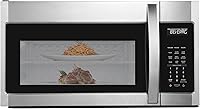
How to Measure for a Range Hood Insert
To measure for a range hood insert, record the cabinet opening's width and depth, the space between the cabinet bottom and the cooktop, and the duct size. Then match those numbers to an insert that fits without cutting new framing.
On this page (11 sections)
- What tools and measurements do you need first?
- How do you measure the cabinet opening width?
- How deep should the cabinet and opening be?
- How much clearance do you need above the cooktop?
- Which duct size and venting setup should you plan for?
- Will a 36 inch insert fit your cabinet?
- Which insert fits a deeper or quieter setup?
- What should you write down before ordering?
- How do you confirm the fit on installation day?
- What mistakes should you avoid when measuring?
- Which insert should you pick after measuring?
To measure for a range hood insert, record the cabinet opening's width and depth, the space between the cabinet bottom and the cooktop, and the duct size. Then match those numbers to an insert that fits without cutting new framing.
Do this before you buy, not after the box arrives.
The job takes about 15 minutes with a tape measure and a notebook. The numbers you collect decide which of the three popular 36 inch inserts below can drop into your cabinet, and which one needs extra work.
What tools and measurements do you need first?
A tape measure, a step stool, a notepad and a flashlight are enough for the basic survey. Add a screwdriver only if you plan to remove a filter or panel to see inside the cabinet.
Write down five numbers: the clear opening width, the clear opening depth, the cabinet's interior height, the cooktop-to-cabinet distance and the duct diameter. Take each measurement twice, and note where the tape sat so you can repeat it.
Turn off the hood's power at the breaker before reaching inside the cabinet. Look for the existing duct, the electrical box and any framing that crosses the opening.
A flashlight helps you see past the blower housing.
Snap a photo of the opening with the tape in frame. That picture settles arguments later about which number was the width and which was the depth.
How do you measure the cabinet opening width?
Measure the clear distance between the cabinet's inner side walls, not the outside of the cabinet. The insert's body has to pass through the opening, so outside width can mislead you.
Hold the tape level against the front edge and read the inner face of the opposite wall. Check near the top and bottom in case the cabinet is out of square.
An insert listed as 36 inches is made for a 36 inch cabinet, but its body plus mounting flanges must clear the opening. The VIKIO HOME model lists an 18.43 inch width and a 34.5 inch depth, so confirm the fit width before ordering.
If your opening falls between standard sizes, size down. A narrower insert can be trimmed with a filler strip, but a wide one cannot shrink.
How deep should the cabinet and opening be?
Measure front to back from the cabinet's front edge to its back panel. A standard upper cabinet is about 12 inches deep, while many inserts are deeper and project forward over the cooktop.
Deeper inserts capture smoke better because the intake sits closer to the burners. The trade-off is headroom, so check that the projection doesn't crowd the cooking zone or block the cabinet doors above.
The VIKIO HOME 36 inch insert lists a 34.5 inch depth, which is larger than a typical cabinet and may reflect a different measuring convention. Compare your opening with the physical unit rather than trusting one number.
Also measure the interior height from the cabinet's bottom edge to its top panel. The blower and duct connector sit there, and the IKTCH insert stands 11.4 inches tall.
How much clearance do you need above the cooktop?
Plan at least 24 inches from an electric cooktop to the insert's lowest edge, and 27 to 30 inches for gas. The insert maker's stated minimum takes priority over these general figures.
Measure from the cooking surface, not the countertop, up to the bottom of the cabinet where the insert mounts. Add the insert's own drop below the cabinet if its body hangs lower than the cabinet edge.
Low cabinets are the most common fit problem. If the gap is short, a slimmer insert with a lower profile helps, and our guide to how to measure for an under cabinet range hood covers the same clearance check for that style.
Gas ranges also need enough side clearance from combustible walls. Check the range's installation instructions for the required distance to the nearest cabinet.
Which duct size and venting setup should you plan for?
Measure the existing duct's inside diameter and note whether it exits through the roof or the wall. Most 36 inch inserts here use a 6 inch round connection, so a 6 inch duct is the easiest match.
The VIKIO HOME insert uses a 6 inch round connector. The IKTCH model has a 6 inch outlet and a charcoal filter for ductless use, which needs less ductwork but more filter changes.
Short, straight runs move air better than long runs with elbows, and our explainer on how are over the range microwaves vented shows typical duct routes. Measure the wall or roof cap too, because a 6 inch duct feeding a 4 inch cap will choke airflow.
Will a 36 inch insert fit your cabinet?
Only if the clear opening clears the insert's body and the cabinet has room for the blower. Check width, depth, height and clearance together before choosing a model.
The IKTCH insert measures 35.43 inches wide and 11.77 inches deep, with a height of 11.4 inches. Those numbers tell you the opening needs roughly 35.4 inches of clear width.
Its gesture and remote controls sit at the front, so leave room to reach the panel.
If your opening is closer to 34 inches, size down or plan to trim the cabinet. Our comparison of an over the range microwave vs range hood is useful if you're still deciding between the two styles.
Which insert fits a deeper or quieter setup?
Pick by what your measurements show, not by brand alone. A deeper insert captures more smoke, while a quieter one matters in open kitchens.
The VIKIO HOME model uses a deep-recessed baffle and draws air from both sides. It runs from about 40 dB on low to 65 dB on high, so it suits open-plan kitchens where noise carries.
Its depth figure needs a careful check against your opening before you commit.
The JOCO insert measures 34.38 inches wide and 18.5 inches deep, with a 13.13 inch height. Its 10-year motor warranty and 5-year panel warranty matter if you plan to keep the hood for a decade.
Confirm the opening's depth before ordering, since its depth is deeper than many cabinets.
If noise is your main concern, the VIKIO HOME model's low-speed figure is the one to weigh. For more options in this style, see our roundup of the best over the range microwave with high CFM if you'd rather keep a microwave in the space.
What should you write down before ordering?
Keep a single sheet with your five measurements and the insert's matching specs. Compare each number before checkout, and order only when every one clears.
The sheet should show opening width, opening depth, interior height, cooktop clearance and duct diameter. Add the insert's width, depth, height and duct size next to them.
A gap of half an inch or more in any row is a warning sign.
Check the return policy and delivery access too. A 36 inch insert arrives in a large box, and a tight stairwell or doorway can turn a simple install into a return.
If you're replacing a microwave rather than an old hood, read our comparison of an over the range microwave vs range hood first, because the cabinet framing and duct often change.
How do you confirm the fit on installation day?
Dry-fit the insert in the opening before you drill or cut. Set it in place, check the flange sits flush and confirm the duct and wiring reach without strain.
Turn the power back on only after the wiring is connected and the unit is secured. Run the fan on each speed and listen for rattles, which usually mean a loose mounting screw or a duct connector that isn't seated.
Check the damper opens freely and the filter slides in and out without catching. A filter that jams suggests the opening is slightly narrow or the insert is sitting crooked.
Test the controls, including the gesture sensor if the model has one. Then run the hood for a few minutes and check for smoke escaping at the edges, which points to a duct or damper problem rather than a sizing one.
What mistakes should you avoid when measuring?
The biggest mistake is measuring the cabinet's outside width instead of the opening. A cabinet that reads 36 inches outside may have an opening only 34 inches wide.
The second is ignoring depth. An insert deeper than the cabinet hangs over the front edge, which changes cooktop clearance and can block the cabinet doors.
The third is forgetting the duct. A 6 inch insert on a 4 inch duct loses airflow, so measure the duct and the cap, and see how are over the range microwaves vented for typical duct paths.
Last, don't guess the cooktop clearance. Measure from the cooking surface to the cabinet bottom and compare it with the insert's stated minimum.
Still weighing a hood against a microwave? Our over the range microwave vs range hood comparison covers the trade-offs.
Which insert should you pick after measuring?
Pick the insert whose width, depth, height and duct match your opening, then choose the features you'll actually use. Measuring first turns a risky purchase into a straightforward one.
For most 36 inch openings, the IKTCH insert is the easiest fit because its 35.43 inch width leaves a little clearance and its 6 inch outlet matches common ductwork. The JOCO insert suits buyers who want gesture control and a long motor warranty.
The VIKIO HOME model is the quiet choice for open kitchens, if its depth fits your cabinet.
Write your numbers down and keep them with the order confirmation. If a measurement falls short, size down rather than force the fit, and see how to measure for under cabinet range hood for the under-cabinet version of this check.
Frequently asked questions
What measurements do I need before buying a range hood insert?
You need the cabinet opening's width and depth, the cabinet's interior height, the distance from the cabinet bottom to the cooktop, and the duct diameter. A photo of the opening with a tape measure in frame helps you double-check the numbers before ordering.
How much clearance should there be between the cooktop and the insert?
Electric cooktops usually need at least 24 inches from the cooking surface to the hood's lowest edge, and gas cooktops often need 27 to 30 inches. Use the insert maker's stated minimum, since it overrides general guidance.
Can I replace an over-the-range microwave with a range hood insert?
Yes, but the cabinet above the microwave usually needs new framing, and the duct and electrical connections may have to move. Measure the microwave's opening first, then compare it with the insert's cutout before buying.
What duct size do most range hood inserts use?
Many 30 and 36 inch inserts use a 6 inch round duct, though rectangular adapters are common on slimmer models. Measure your existing duct and the roof or wall cap before you buy so you know whether an adapter is needed.
Do I measure the cabinet opening or the whole cabinet?
Measure both. The opening's clear width and depth decide whether the insert's body fits, while the cabinet's full width tells you how the insert will look from below.
The interior height shows whether there is room for the blower and duct connector.