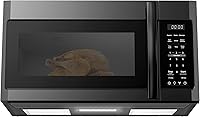
What Does Over-the-Range Microwave Mean?
A what does over-the-range microwave mean question has a simple answer: it means a microwave designed to mount above a range or cooktop, often with a fan and light for ventilation. Check the fit and vent path before you choose one.
On this page (8 sections)
- What does over-the-range microwave mean?
- How is an over-the-range microwave different from a countertop microwave?
- Does the fan vent air outside?
- What should you check before choosing one?
- Which OTR microwave style suits your kitchen?
- How do you plan for installation and daily use?
- What common mistakes should you avoid?
- Is an over-the-range microwave right for your kitchen?
A what does over-the-range microwave mean search is asking about an appliance that mounts above a range or cooktop and often combines microwave cooking with a fan and light. It can free counter space, but you need to check the opening, required clearance, and vent setup before choosing one.
The name describes the appliance's position and its combined purpose. It doesn't mean every model vents outdoors or fits every kitchen.
What does over-the-range microwave mean?
An over-the-range microwave, also called an OTR microwave or microwave hood combination, is designed to install above the cooking surface, usually beneath a cabinet. It heats food and uses a built-in fan to draw in some cooking odors, steam, and smoke.
Depending on the model and installation, the fan sends air outdoors through ductwork or filters it and returns it to the room. For a broader explanation of common features, see our plain-English guide to over-the-range microwave ovens.
What does OTR mean on a microwave?
OTR means over the range. It describes a microwave made for overhead installation above a stove or cooktop, rather than one designed to sit on a counter.
An OTR microwave needs secure mounting and the clearances specified in its installation instructions. Its fan and light provide hood functions, though the ventilation setup varies by model and kitchen.
How is an over-the-range microwave different from a countertop microwave?
An over-the-range microwave mounts above the range and often adds a fan and light; a countertop microwave sits on a work surface and focuses on cooking. Choose based on your layout, counter space, and ventilation needs.
An OTR model can leave more counter space open, but it uses room beneath a cabinet and requires installation at a safe height. A countertop model is easier to move or replace, but needs a stable surface and doesn't replace a range hood.
If you're comparing the two styles, our guide to over-the-range vs. countertop microwaves explains the main tradeoffs. An OTR model suits you when the overhead space works and you want the combined appliance; a countertop model is the simpler choice when you don't want a permanent installation.
Does the fan vent air outside?
An OTR microwave may vent outdoors or recirculate air through filters, depending on the model and your kitchen's ductwork. Check the vent path before buying, especially when replacing an existing hood or microwave.
In an outside-vent setup, ductwork carries air out of the kitchen. In a recirculating setup, air passes through filters and returns to the room instead of leaving through a duct.
Some models support more than one vent direction, but the installation steps can differ. Our guide to how over-the-range microwaves are vented covers the options and what to inspect.
What should you check before choosing one?
Check the opening, cooktop clearance, and ventilation arrangement first. Those determine whether the microwave can fit and connect to your kitchen before cooking features enter the decision.
Measure the opening's width, height, and depth, then compare those measurements with the model's installation requirements. Confirm how it attaches to the wall and cabinet, and whether the outlet and duct opening are in usable positions.
For typical sizing details, see standard over-the-range microwave dimensions. Don't assume a nominal 30 in width guarantees a fit; small differences in openings and mounting conditions can matter.
A low-profile model can work when overhead clearance is tight, but its shorter body also means a different interior shape and capacity. Compare the low-profile and regular microwave styles if height above the range is your main concern.
What do capacity and vent rating tell you?
Capacity describes the microwave's interior volume, while a CFM rating describes the volume of air its fan moves each minute. Use both to narrow your choices, then check whether the interior suits your dishes and the vent matches your kitchen.
Think about the bowls, plates, and cookware you heat often. For ventilation, check fan settings, filter type, and duct compatibility as well as the CFM figure.
Which OTR microwave style suits your kitchen?
A standard-height model gives you more interior capacity, while a low-profile model gives you more space above the cooking surface. Choose between them based on your clearance and the size of the dishes you use most.
The GE JVM3160RFSS suits buyers who want a standard-height stainless steel model with a replaceable charcoal filter and straightforward controls. It has 1.6 cu ft of capacity, 1,000 watts, one-touch express cooking, four convenience settings, and a two-speed 300-CFM fan.
Skip this GE if your cabinet or clearance calls for a shorter microwave, or if you need a different vent arrangement than your kitchen can support. Its stated dimensions are about 29.9 in wide and 16.1 in high, so compare the installation requirements with your measured space.
The Midea low-profile model suits kitchens where a standard-height body would crowd the space above the cooktop. It has 1.2 cu ft of capacity, 1,000 watts, sensor cook and reheat, a 400-CFM fan, and app-based controls with voice control compatibility.
Skip it if you need a larger interior for broad dishes or prefer simple controls that don't rely on a smart app. Its short 10.3 in height is useful for tight spaces, but you should still confirm the cabinet fit, vent setup, and cooking clearance.
The BLACK+DECKER EM044K6CE-SS suits households that want a larger 1.7 cu ft interior and quick cooking menus. It offers 1,000 watts, 10 power levels, six quick menus, multi-stage cooking, and a two-speed 300-CFM fan with a light.
Skip it if your available height is limited or you need a low-profile shape. Its dimensions are about 29.9 in wide, 13.2 in deep, and 16.4 in high, so verify all three against the opening and installation instructions.
How do you plan for installation and daily use?
Plan the mounting height, outlet, and vent route before ordering, and follow the model's installation instructions. An OTR microwave is heavier and more demanding to mount than a countertop unit, so make sure the wall and cabinet arrangement supports the required mounting points.
Don't guess at the distance above the cooktop. Check the appliance instructions and local requirements, then compare the result with your kitchen; our guide to the space between a microwave and range explains why that clearance matters.
If you want an outside vent, verify that the duct path and opening line up with the microwave's allowed configuration. For recirculation, confirm the required filters are installed and replaceable; a charcoal filter helps reduce odors but doesn't carry air outdoors.
Use the fan while cooking on the range, especially when steam or odors build up, and select a fan speed suited to the cooking. Wipe spills from the microwave and its intake area as they happen, and clean or replace filters according to the appliance instructions.
For heating, center dishes on the turntable when the model uses one, leave room for steam to escape, and follow the cookware's microwave-safe label. Sensor cook and reheat can reduce guesswork, while timed settings give you more control for foods that need a specific duration.
What common mistakes should you avoid?
The most common mistake is choosing by the words “30 inch” alone. Width is only one part of fit: height, depth, clearance, mounting points, outlet position, and vent direction also affect whether the installation will work.
Another mistake is assuming that the fan is equivalent to a dedicated range hood. A microwave fan may recirculate air or have a different capacity than your cooking habits require, so compare ventilation needs and the model's vent setup before deciding.
Don't choose a low-profile model just because it looks compact if its interior won't fit your dishes. Likewise, don't choose the largest capacity without checking the full dimensions and overhead clearance.
Is an over-the-range microwave right for your kitchen?
An OTR microwave is a good fit when you want to save counter space, have a compatible opening, and will use the combined cooking and ventilation functions. It is a poor fit when mounting clearance is too low, the cabinet and wall can't support installation, or you need stronger dedicated ventilation for your cooking style.
Choose the GE if you want a conventional-height model with a charcoal filter and direct controls. Choose the Midea if clearance is tight and its smaller capacity suits your dishes; choose the BLACK+DECKER if you have room for its taller body and want more interior space with quick menus.
If ventilation is your priority, compare the microwave with a range hood before buying. For fit and vent compatibility, start with our guide to choosing an over-the-range microwave.
So, what does over-the-range microwave mean? It means a microwave built to mount above the cooking surface, often with a hood-style fan and light.
Measure the opening and check the vent path first, then pick the capacity and controls that suit your kitchen.
Frequently asked questions
What does over-the-range microwave mean?
It means a microwave designed to mount above a cooking range or cooktop. Many models also include a fan and light that serve a hood function, so the appliance uses overhead space for both cooking and ventilation.
Is an over-the-range microwave the same as a range hood?
No. An over-the-range microwave cooks food and often includes a fan and light, while a range hood is built for ventilation.
A microwave's fan may send air outdoors or recirculate it through filters, depending on the installation and model.
Does an over-the-range microwave need an outside vent?
Not always. Some installations vent outdoors through ductwork, while others recirculate air through a filter and return it to the kitchen.
Check the microwave's instructions and your kitchen's duct setup before choosing a model.
Can any microwave go above a range?
No. Choose a model designed for over-the-range installation and follow its clearance, mounting, and ventilation instructions.
A countertop microwave is not automatically suitable for mounting above a cooktop.