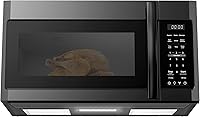
Are Over-the-Range Microwaves Out of Style?
Are over the range microwaves out of style? No. They still sell in large numbers and suit most kitchens because they save counter space and add a vent hood in one footprint.
On this page (10 sections)
- Why over the range microwaves are not out of style
- Which kitchens still suit an over the range microwave?
- When does the over the range microwave look dated?
- Is a microwave hood combo still a smart buy?
- Which low profile model keeps the look clean?
- Which model is best for everyday value?
- Which one handles bigger cooking jobs?
- Does the finish change how modern it looks?
- What should you measure before you buy?
- So, are over the range microwaves out of style?
Are over the range microwaves out of style? No.
They remain one of the most common kitchen appliances because they free up counter space and do the job of a vent hood at the same time.
That mix of cooking and ventilation is the main reason the design hangs on. Still, some kitchen plans now skip the combo, so the real answer depends on your layout.
This guide sorts out when an over-the-range unit looks and works right, and where a different setup serves you better.
Why over the range microwaves are not out of style
The combo still fits the way most kitchens are built. An OTR microwave mounts in a 30 inch wide cabinet opening above the range and uses that space for two jobs: heating food and pulling smoke, steam and odors out of the air.
The space saving is the biggest reason. On a small galley or apartment kitchen, the appliance clears the whole countertop for prep.
That's why the format keeps showing up in new builds and remodels alike.
While you're deciding on a layout, it helps to know what does over the range microwave mean beyond the name. It is a microwave with a built-in vent system that sits over the cooktop, not just a shelf-mounted appliance.
Shoppers also keep buying them. The GE 1.6 Cu Ft JVM3160RFSS sits at number 1 in Over-the-Range Microwave Ovens on Amazon's best seller list, a sign of steady demand rather than a fading design.
Which kitchens still suit an over the range microwave?
Small and mid-size kitchens suit an OTR microwave best. The tighter the counters, the more the space saving counts.
A galley kitchen, a condo or a first home gains a hood and a microwave without adding a second footprint.
Open-plan kitchens can work too, as long as the unit sits against a wall or under a cabinet run. Floating islands with nothing overhead are the wrong spot.
Think about where you stand to cook. The microwave door swings out over the range, so check that the open door clears your reach path and any tall pots on the back burners.
Ventilation is the other factor. A recirculating setup sends filtered air back into the room, and a ducted setup sends it outside.
A duct through the wall or roof gives the best result for heavy cooking.
When does the over the range microwave look dated?
The design looks dated when the finish, handle or panel style doesn't match the rest of the kitchen. A white box under a modern cabinet run can read like an older build, while a stainless model with clean bottom controls blends in.
Low profile models help here. The GE Profile UVM9125STSS is 10.31 inches tall and fits over the range in the same space as a regular undercabinet hood, so it leaves more open sightline above the cooktop.
The rest is finish matching. Stainless pairs with most modern kitchens, white suits bright traditional rooms, and black can tie into darker cabinet schemes.
Our guide to the best black over the range microwaves covers the dark finish option in detail.
Bulky panels and thick trim tend to look older than flush fronts. A sleeker control panel and a hidden or integrated handle do more for the look than any single finish.
Is a microwave hood combo still a smart buy?
Yes, for most people who cook on a range against a wall. A combo saves one appliance footprint and one power drop, and it handles both reheating and everyday ventilation.
The trade-off is range hood strength. An OTR vent moves air at a set CFM, and the models here list 400 CFM and 300 CFM.
A dedicated hood can move more air, which matters for high-heat searing and heavy frying.
If you cook a lot of smoky food, weigh the combo against a real hood plus a separate microwave. If most meals are quick, the combo wins on convenience and space.
For a direct read on both paths, our over the range vs countertop microwave comparison walks through cost, space and venting side by side.
Which low profile model keeps the look clean?
The GE Profile low profile model is the pick when sightlines matter. It keeps a low 10.31 inch profile so the cabinet run stays open above the range.
It brings 1.2 cu ft of space, 1000 watts and sensor cooking that adjusts time and power for you. LED cooktop lighting brightens the whole stovetop, and the melt feature handles butter, caramel and chocolate.
The bottom controls and integrated handle give it a flush, easy-to-clean front. Two-speed 400 CFM venting covers normal cooking, and the turntable can be switched off for large dishes.
If you want a sleeker look above the stove, this is the closest match in the lineup. It works best in a modern or transitional kitchen where the hood line stays visible.
Which model is best for everyday value?
The GE JVM3160RFSS is the steady middle choice. It brings 1.6 cu ft, 1000 watts and 10 power levels in a 30 inch format.
It runs a 300-CFM two-speed vent system with a replaceable charcoal filter that traps fumes and odors. One-touch express settings and four convenience cook settings keep daily use simple.
The turntable on and off control helps with large or oddly shaped dishes, and the child lock suits shared homes. The stainless finish is neutral enough to age well in most kitchens.
It sits at number 1 in its category on Amazon's best seller list, which fits its role as a default pick. For a balanced mix of capacity and simple controls, it covers the basics.
Which one handles bigger cooking jobs?
The BLACK+DECKER 1.9 Cu Ft model is the roomy option. Its 1.9 cu ft capacity gives more space for family meals and larger dishes than the other two picks.
It runs 1000 watts across ten power settings, with a 30 second express cook, clock and kitchen timer. Pre-programmed menus cover popcorn, potato, vegetable, pizza, snack, bacon, frozen dinner, rice and frozen breakfast.
The 400-CFM two-speed vent fan and LED cooktop lighting handle smoke and visibility. The turntable can be switched off for large dishes, and the included rack allows two-level cooking.
Its 13.6 inch turntable is the largest of the three, so big platters and casserole dishes fit with less fuss. That makes it a good match for a family kitchen that reheats a lot.
Does the finish change how modern it looks?
Yes. Finish is the fastest way to date or refresh an OTR microwave, because it's the large visible panel in the kitchen.
Stainless stays the safest neutral choice for resale and modern cabinets.
White suits bright, traditional or cottage-style kitchens, and it can look crisp against painted cabinets. Our roundup of over the range microwave ovens white covers that path for anyone matching white appliances.
Black works in a dark or industrial scheme but shows smudges more. Check the trim and handle color too, since a black body with silver trim can look older than a fully matching set.
What should you measure before you buy?
Measure the cabinet opening width, height and depth and compare them with the model's stated dimensions. Width is usually the easy part at about 30 inches, while height and depth decide the fit.
Also check the outlet location and the vent path. A recirculating model needs a filter, and a ducted one needs a clear route outside.
Our fit and replacement guides cover the sizing steps in more detail.
Get someone to help lift the unit. These appliances weigh between 40 and 57.4 pounds, so a two-person install is safer than a solo one.
So, are over the range microwaves out of style?
No, and they're not fading out either. A well-chosen over-the-range microwave still reads as current in most kitchens, especially when the finish matches and the profile stays low.
Pick the GE Profile low profile model if you want a clean sightline above the stove. Choose the GE JVM3160RFSS for a balanced everyday setup, and the BLACK+DECKER for more interior space.
Matching your cabinets, checking the vent path and measuring the opening matter more than the format itself. A good fit keeps the appliance looking built in, which is the style question that counts.
Frequently asked questions
Do over the range microwaves need a vent to the outside?
No. Most models can recirculate air through a charcoal filter and back into the kitchen, and they can also vent outside if a duct runs up through the wall or roof.
Follow the model's install guide for each setup.
Can a low profile microwave replace a standard one?
Usually yes if the cabinet opening and outlet match, but the unit has less height, so the mounting plate and vent position matter. Measure your opening and compare it to the model's stated dimensions before ordering.
Are over the range microwaves harder to fix than countertop models?
Yes, because they sit bolted above the stove and need ventilation parts too. A countertop unit can be replaced in minutes, while an OTR model may need two people and some wiring work.
What size over the range microwave fits a 30 inch opening?
Most OTR models are built for a 30 inch wide cabinet opening, and the width covers the range below. Height and depth vary by model, so check the stated dimensions against the space above your stove.